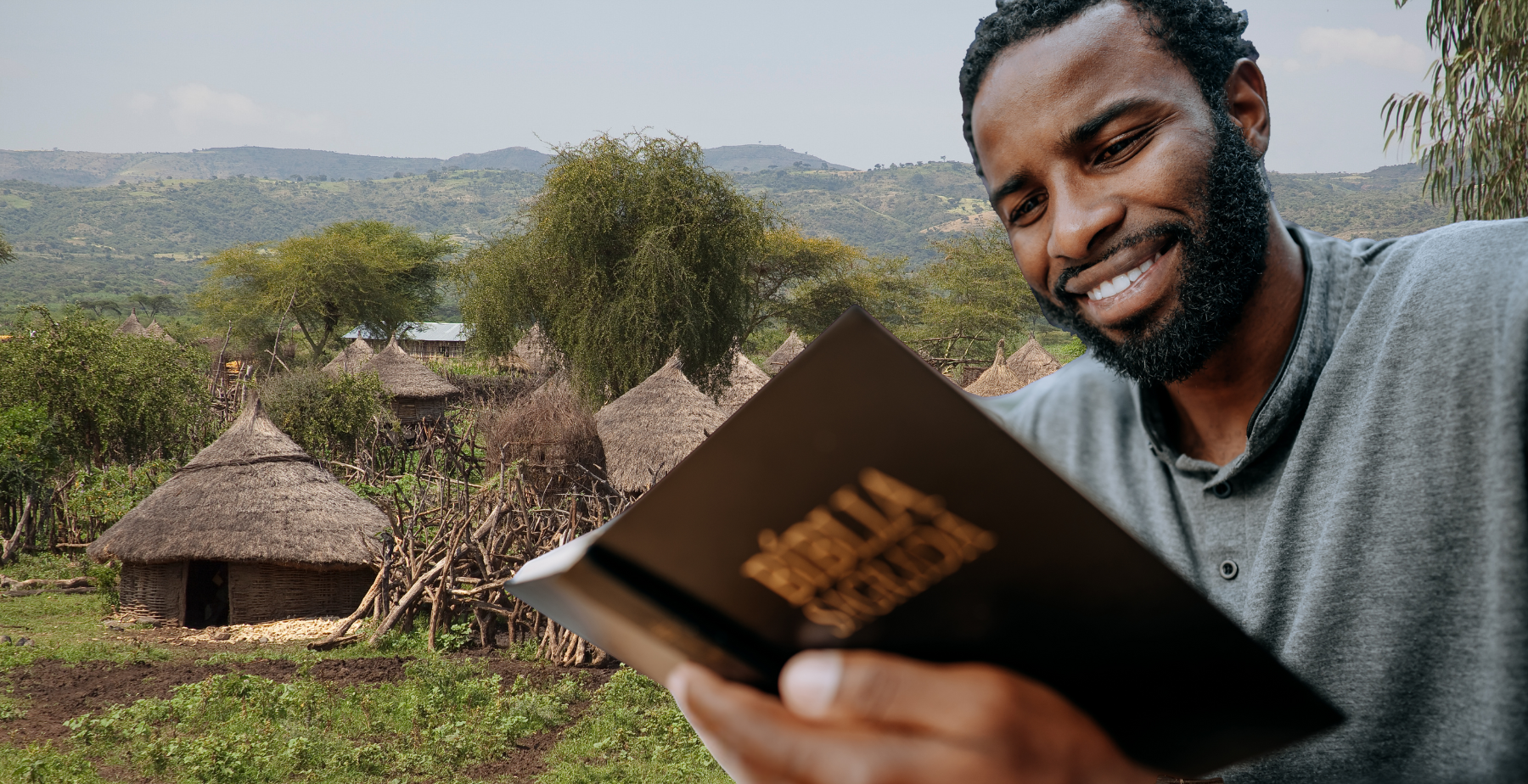
Newsletter No. 1: My Internship in Bible Translation in Ethiopia
Hello everyone,
Many of you may know that I have studied Theology in South Africa for the past few years. During my studies, I learned about Bible translation - a topic I couldn’t get out of my head. Around that time, my pastor connected me with someone in our church who was already involved in this work. It was through this contact that I eventually came to Wycliff Germany, a non-profit organisation dedicated to translating the Bible into languages worldwide.
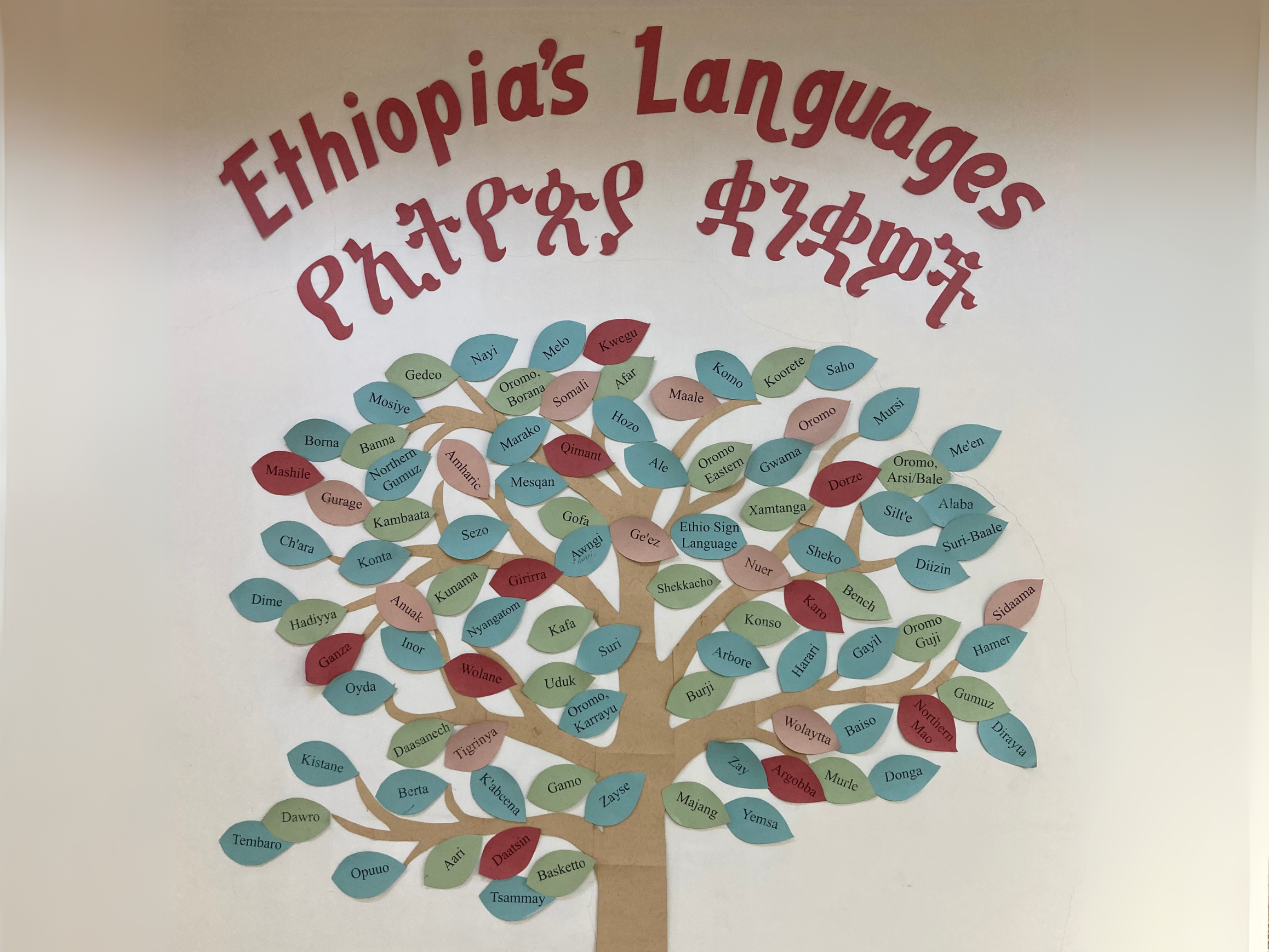
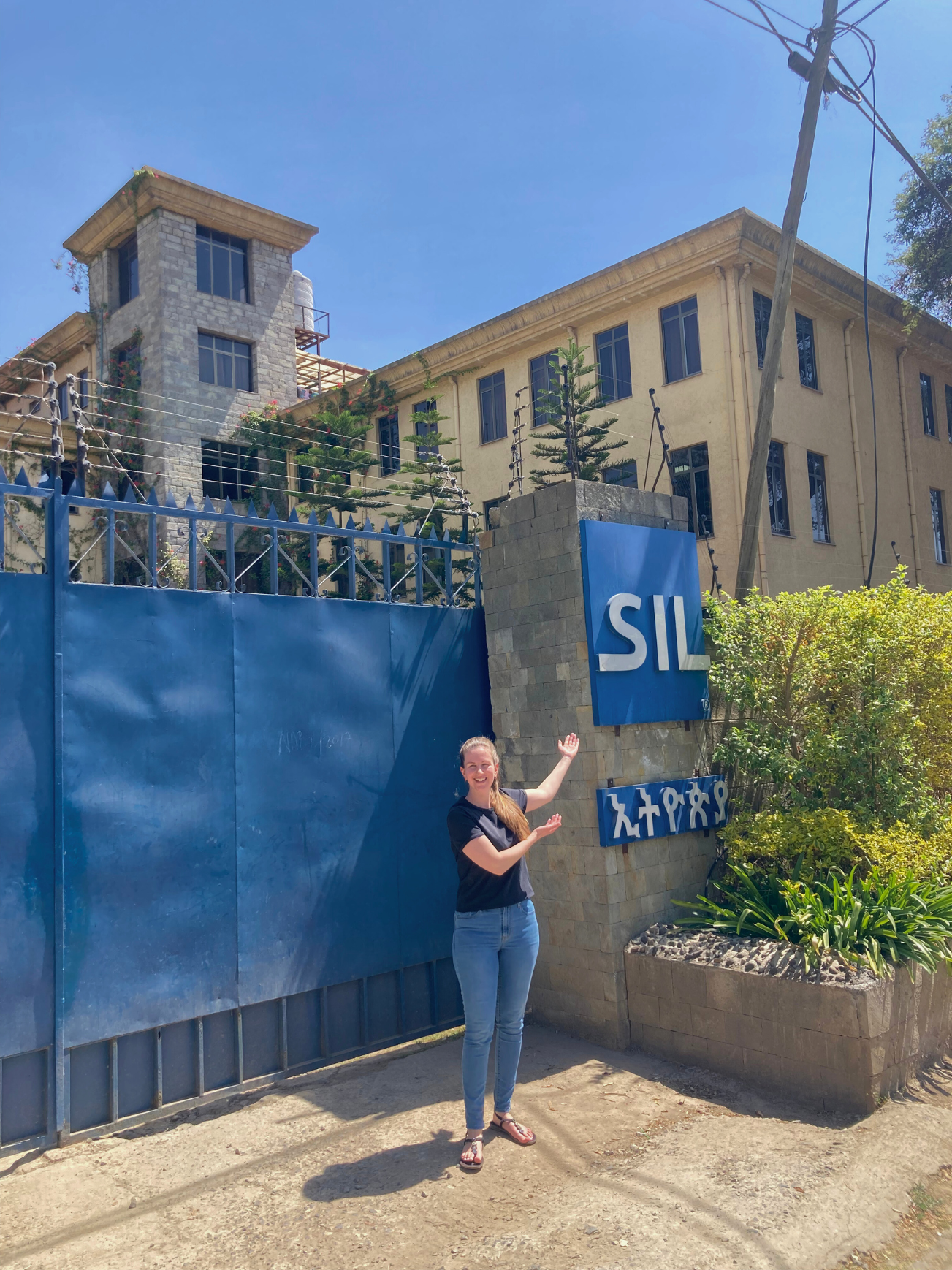
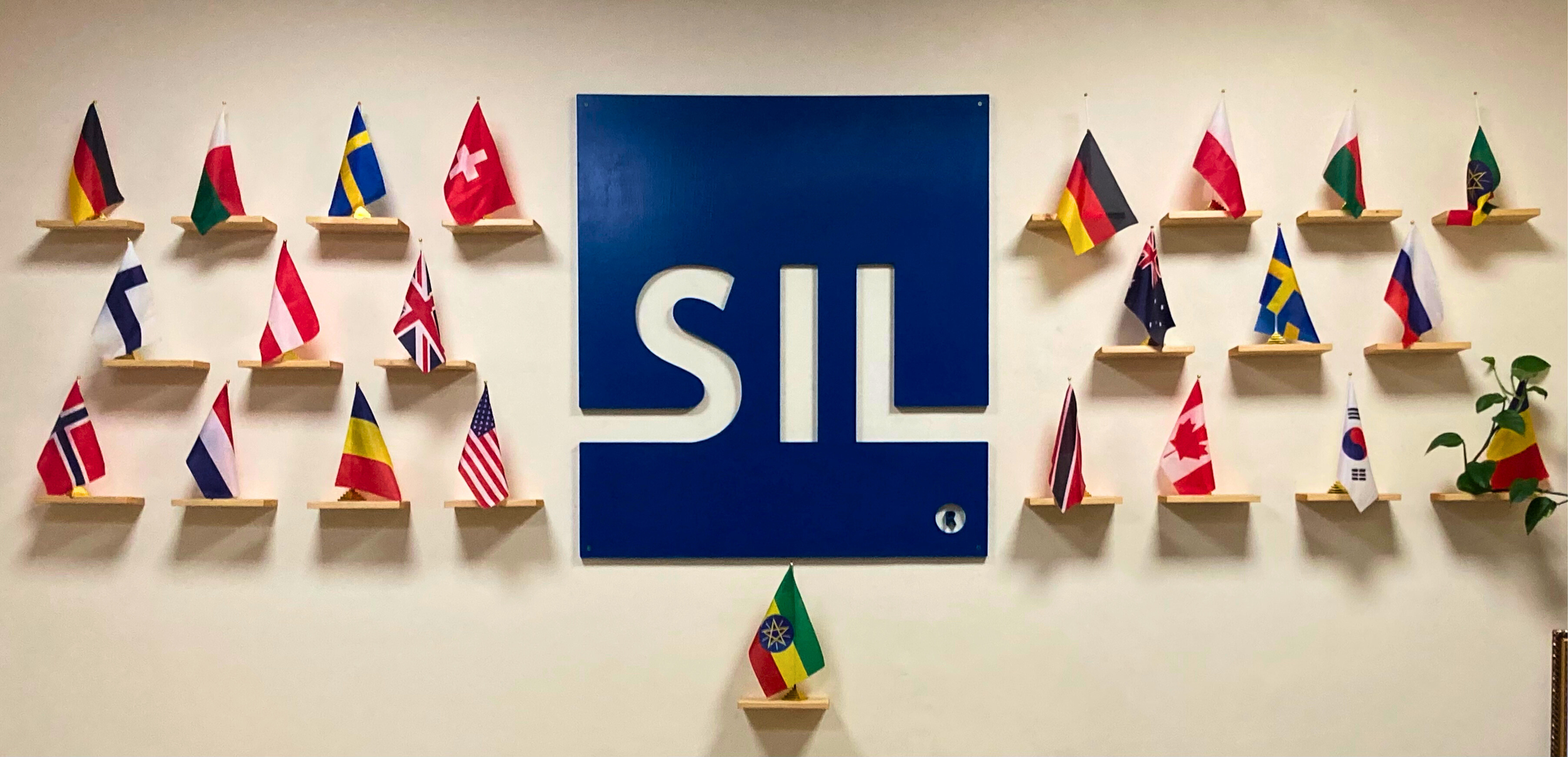
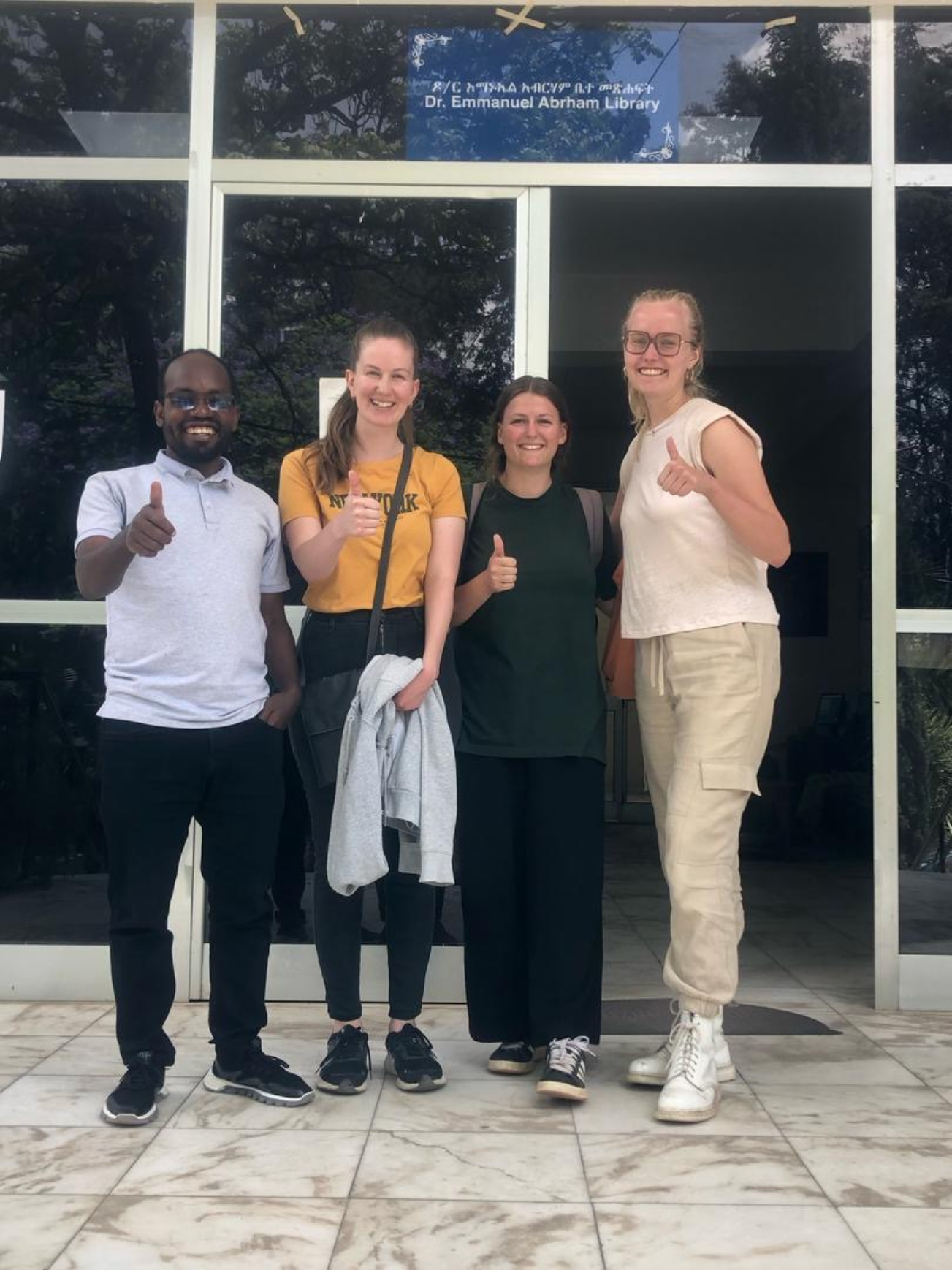
I have now finished my studies in South Africa and will start my Masters in August this year (2025). In the meantime, I wanted to gain some practical experience in the world of Bible translation. That's why I'm currently doing an internship with the partner organisation of Wycliff in Ethiopia, SIL Ethiopia. Ethiopia is home to more than 80 people groups, each with its own language. However, only 21 of these groups have the complete Bible in their language. SIL Ethiopia wants to change this and is working on many Bible translation projects for the remaining languages here to ensure that all people groups have the complete Bible in their languages. During my time in Ethiopia, I had the opportunity to participate in three of these projects.
Translating Ephesians with the Suri
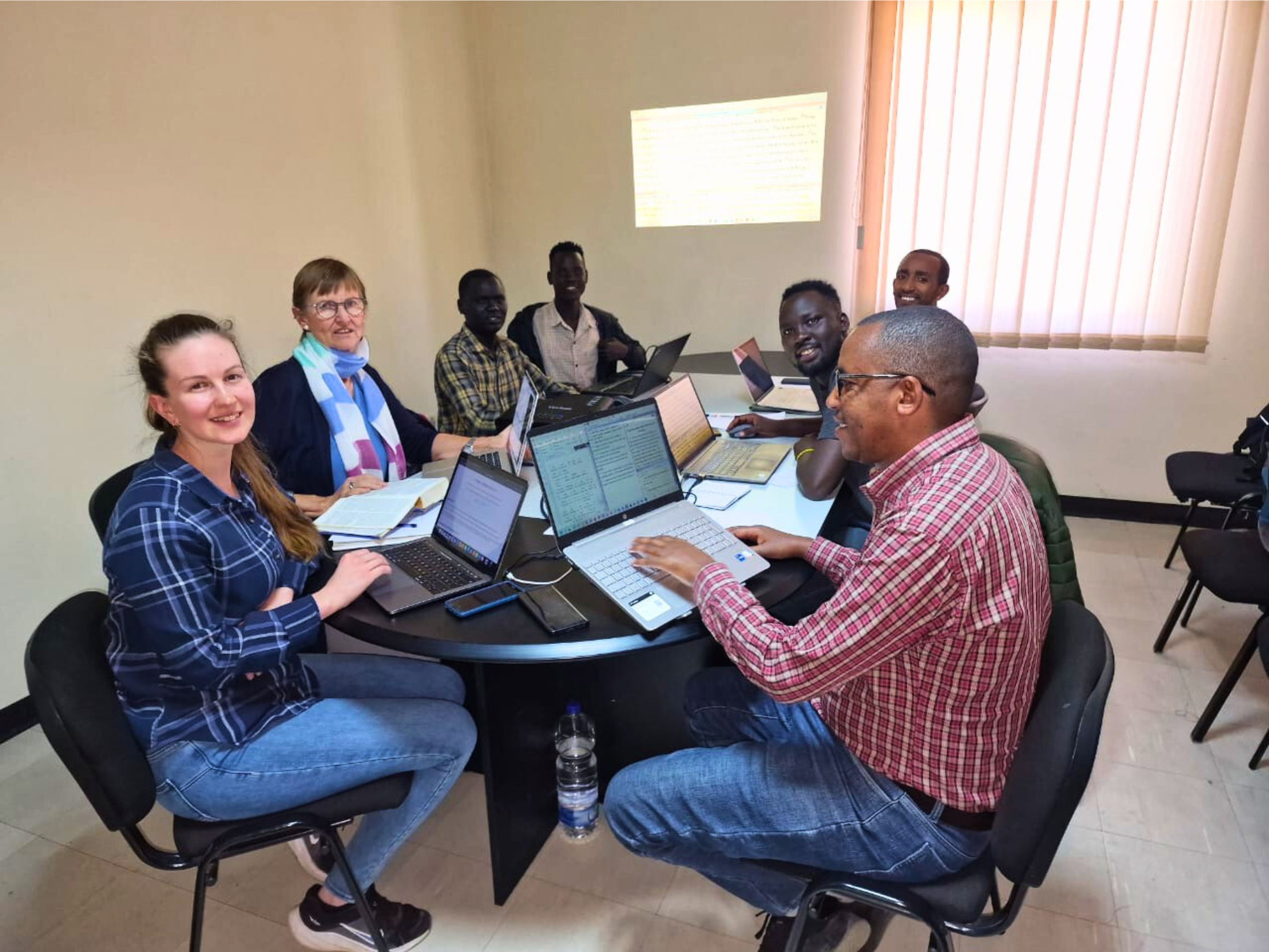
The Suri people live in the southwestern part of Ethiopia, near the border with South Sudan. The team I joined was working on translating the book of Ephesians. We encountered a challenge in Ephesians 2:4-5, which talks about God's love for us: "But because of his great love for us, God, who is rich in mercy, made us alive with Christ even when we were dead in transgressions."
The Suri language doesn't have a word for "love", so after some discussion, the translators decided to translate it as "Because God grabbed us to his heart" which is closest to how the Suri people would express love.
Translating Jeremiah with the Koore
Next, I joined Hanna and Lukas, a German couple who support the Koorete translation team. Together, we traveled to Amaaro in southern Ethiopia, where the team has already translated the New Testament and is now working on the translation of the Old Testament. We helped improve the first draft of the book of Jeremiah, which had been produced using AI. While the AI draft was a great start, we needed to fix some mistakes. An interesting aspect of Koorete is its focus marker, "ko," which can be added to any word in a sentence to emphasise it. This makes it very easy to alert readers to the most important aspect of a sentence.
Translating Numbers with the Karama
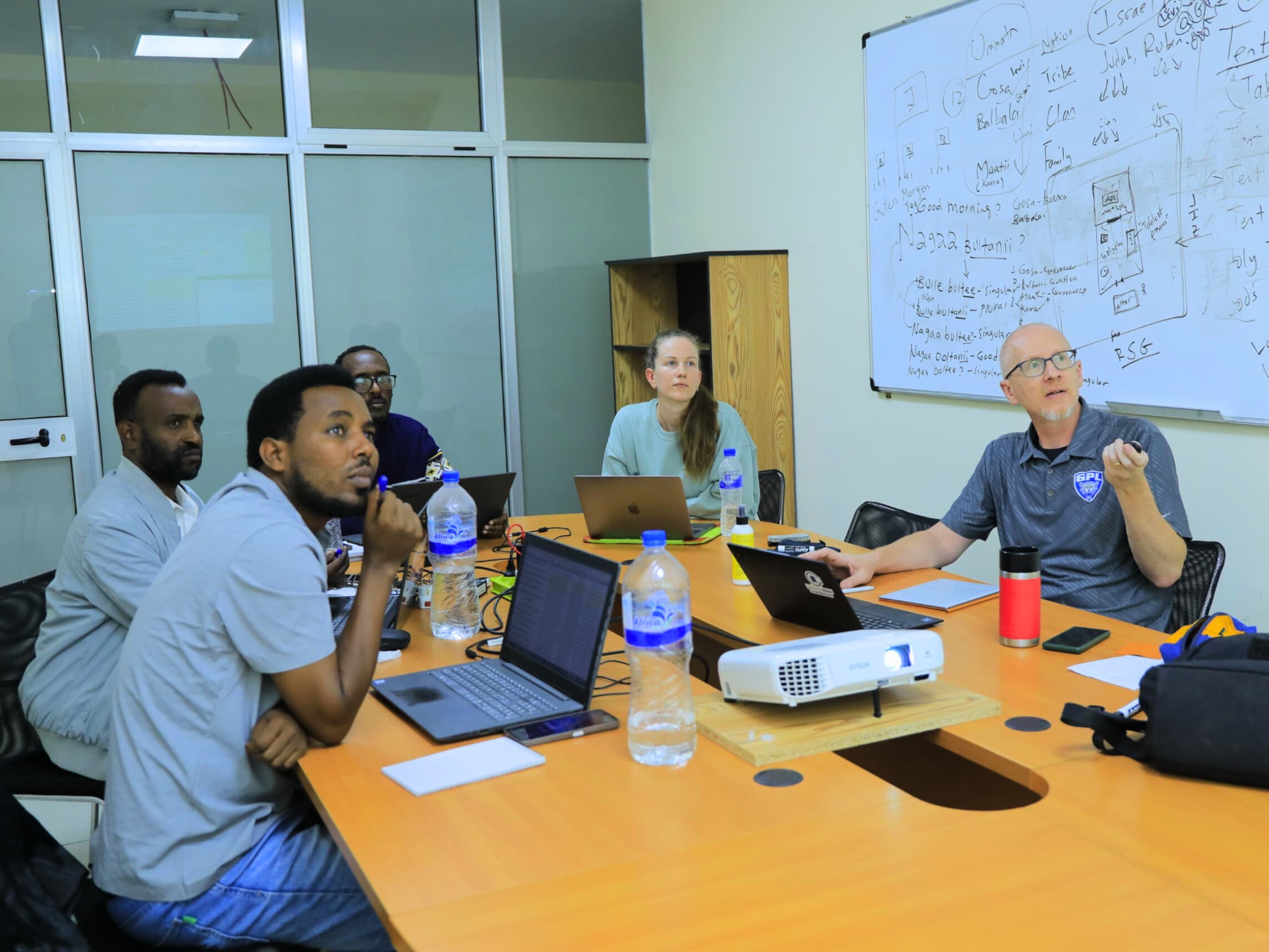
Then, I returned to Addis Ababa, where I spent three weeks with the Karama team, translating the Book of Numbers. The majority of the Karama people are not Christian, and their translation project is still in its early stages.
In Karama, the reason for something must always come before the result. In the Bible, though, reasons are often stated after results. For example, Numbers 35:34 says, "Do not make the land where you live and where I dwell unclean, for I, the Lord, dwell among the Israelites." In Karama, this would be confusing. So the translators adapted the sentence to say, "Because I, the Lord, live among the Israelites, do not make the land where you live and where I live unclean.”
Bible Translation and Linguistics
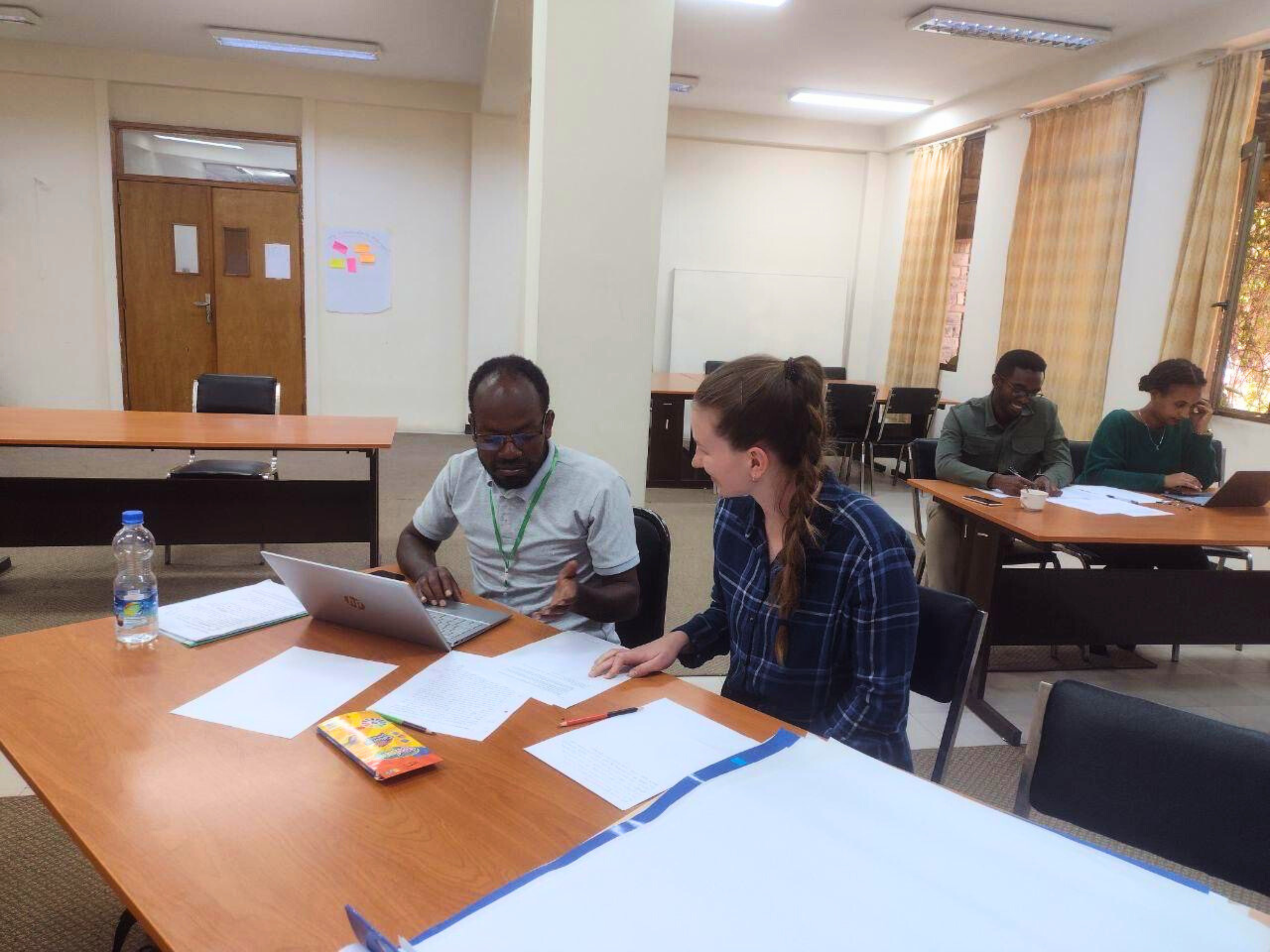
Understanding the linguistic features of a language is key to creating a translation that sounds natural. That’s why linguistic experts are part of the translation projects. I participated in a workshop where different teams analysed how they tell stories in their languages (narrative discourse). For example, in the Suri language, they only use a person's name once when they are introduced. After that, the character is referred to by a pronoun. This was tricky in the book of Genesis, where the translators had to make sure that "God" wasn't mentioned every day of creation, which would imply there were seven different gods. Instead, they only used "God" in the first verse and referred to Him as "He" afterwards.
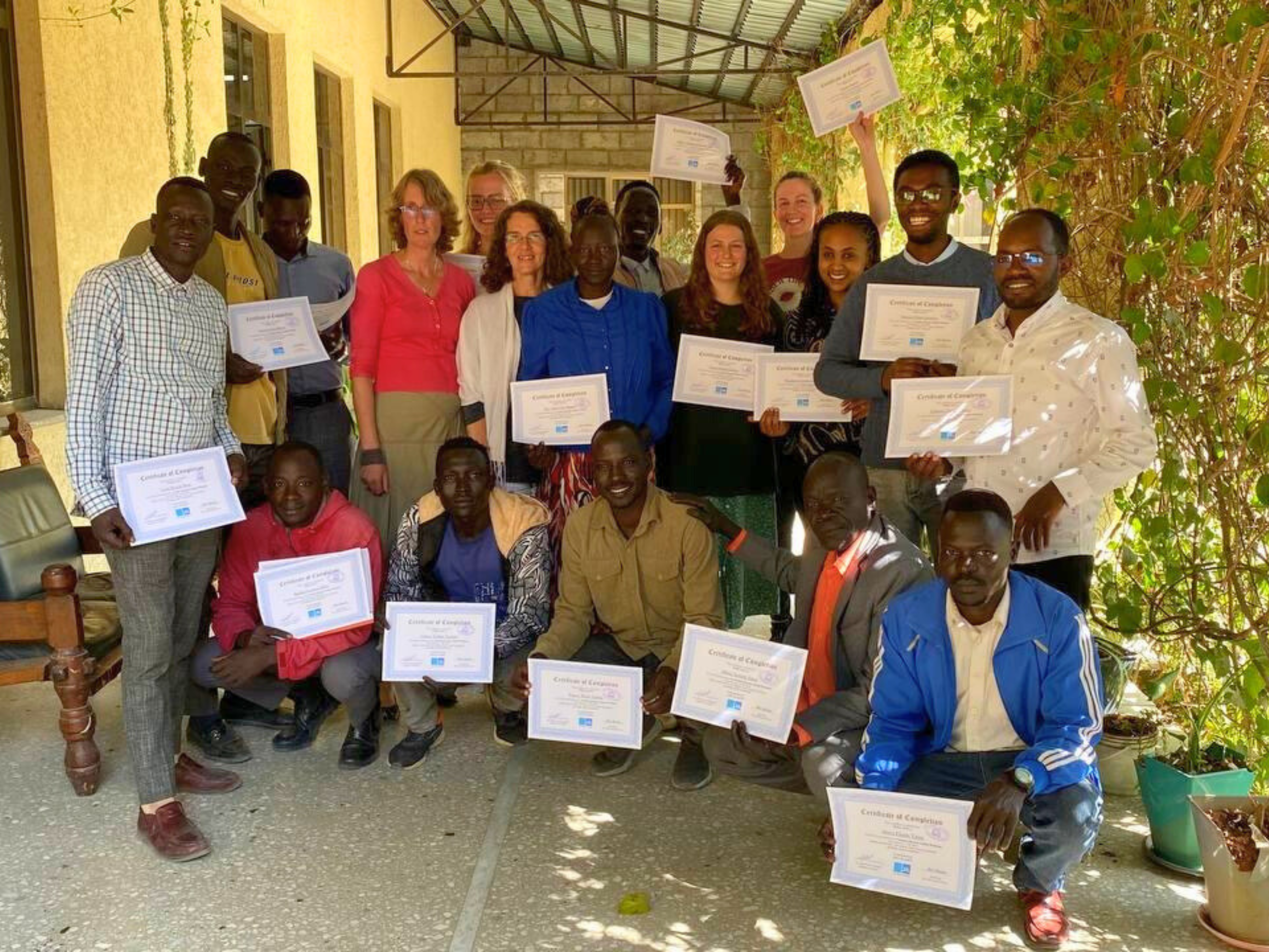
My time in Ethiopia has given me a better understanding of the world of Bible translation. Each project was different. I really enjoyed looking closely at different parts of the Bible and thinking about the best ways to translate them into another language. These experiences have strengthened my desire to continue working in the field of Bible translation in the future.
Fun Facts About Ethiopia
💬
Ethiopia is famous for being the only African country that was never fully colonised. The official language is Amharic, which has a writing system called “fidel”. It has been used for over 1,500 years and has over 200 different characters! It looks like this: ይህ ፊደል ነው፣ አማርኛን ለመጻፍ የሚጠቀምበት ፅሑፍ ስርዓት። (“This is Fidel, the writing system used to write Amharic.”)
🥦
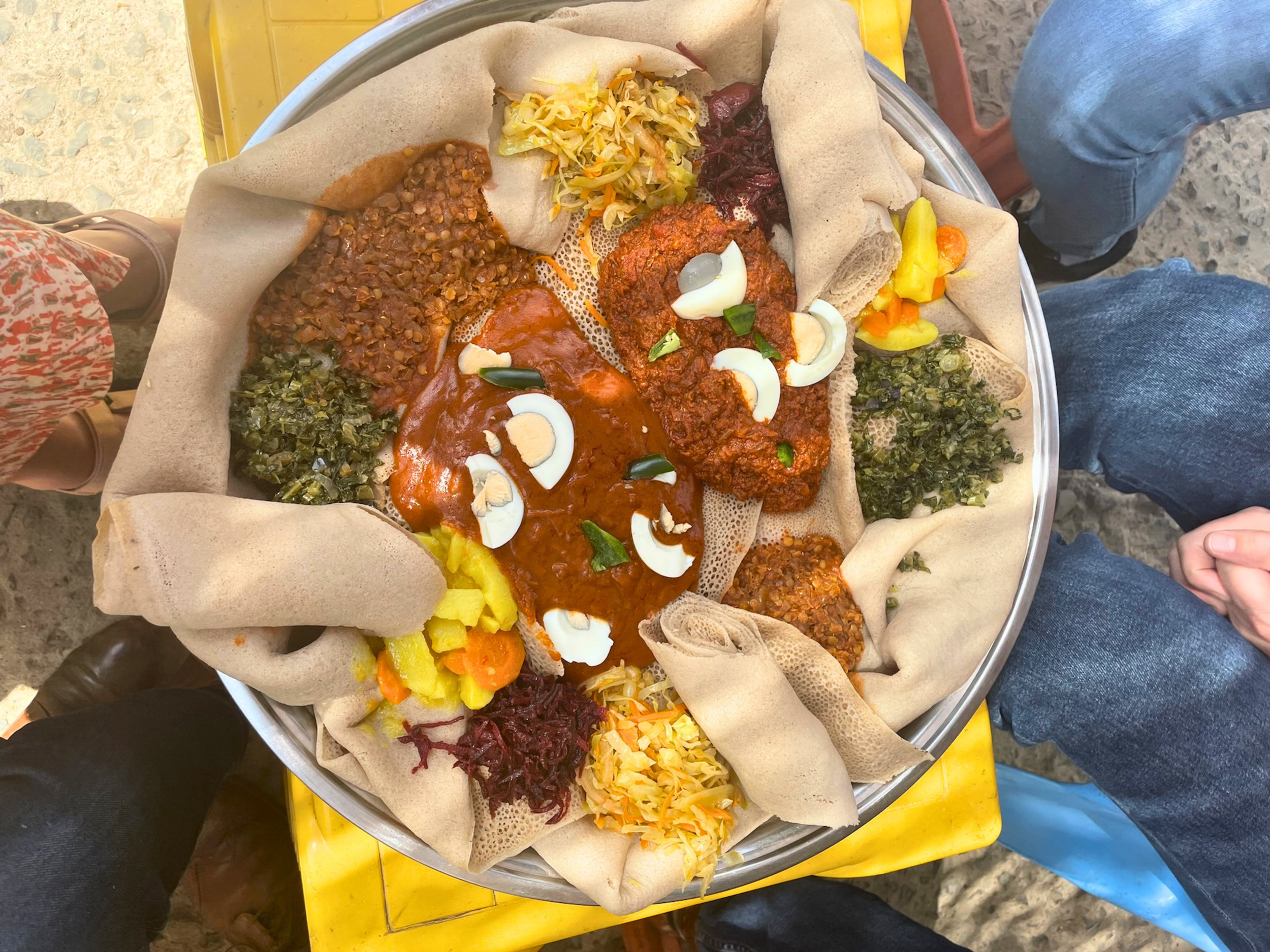
Ethiopia's largest religious groups are Muslims and Orthodox Christians. In March, Muslims observed Ramadan, while Orthodox Christians fasted in anticipation of Easter (which means they only eat vegan food). So, during this time, you'll mostly find vegan dishes around!
☕
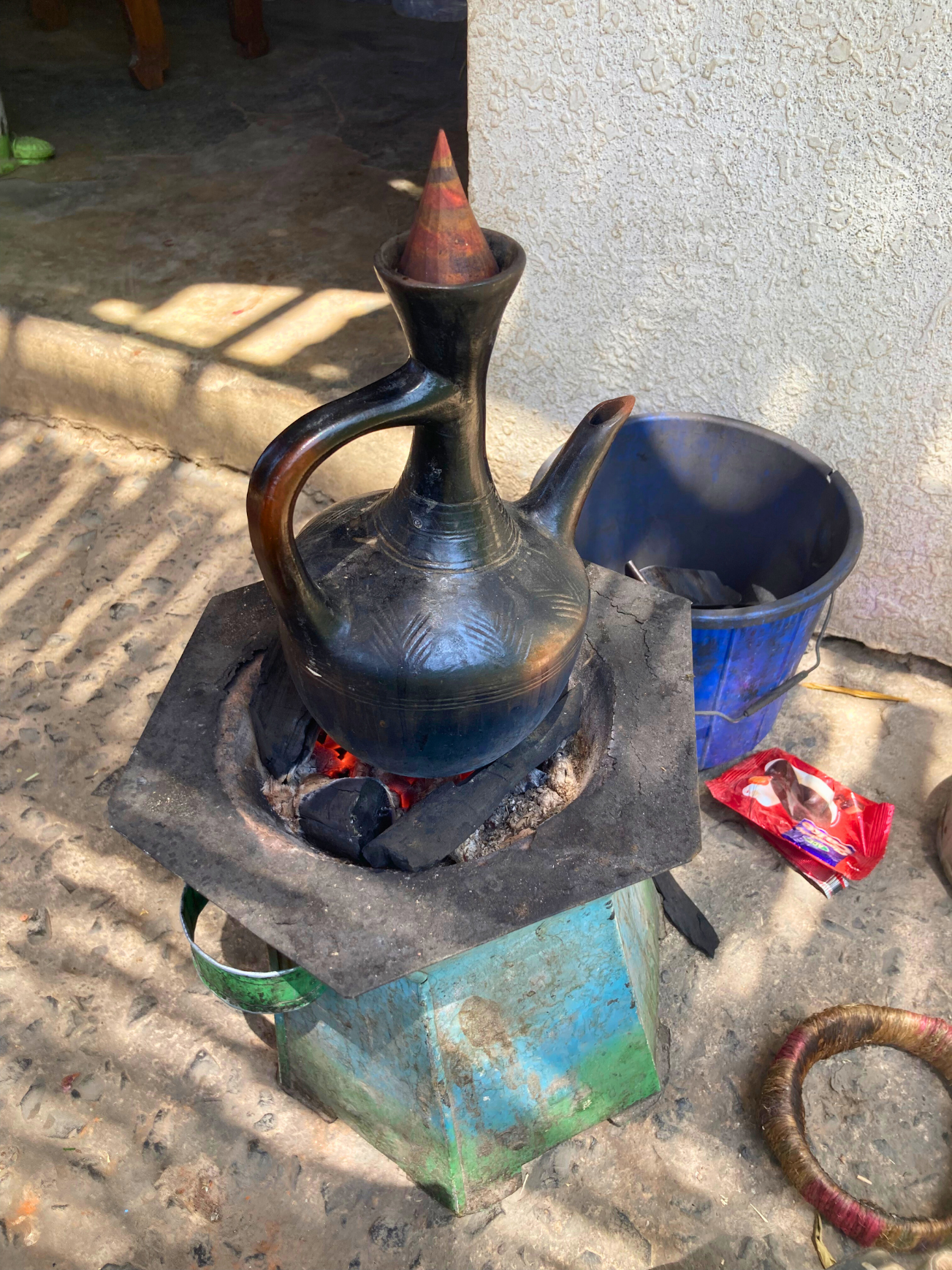
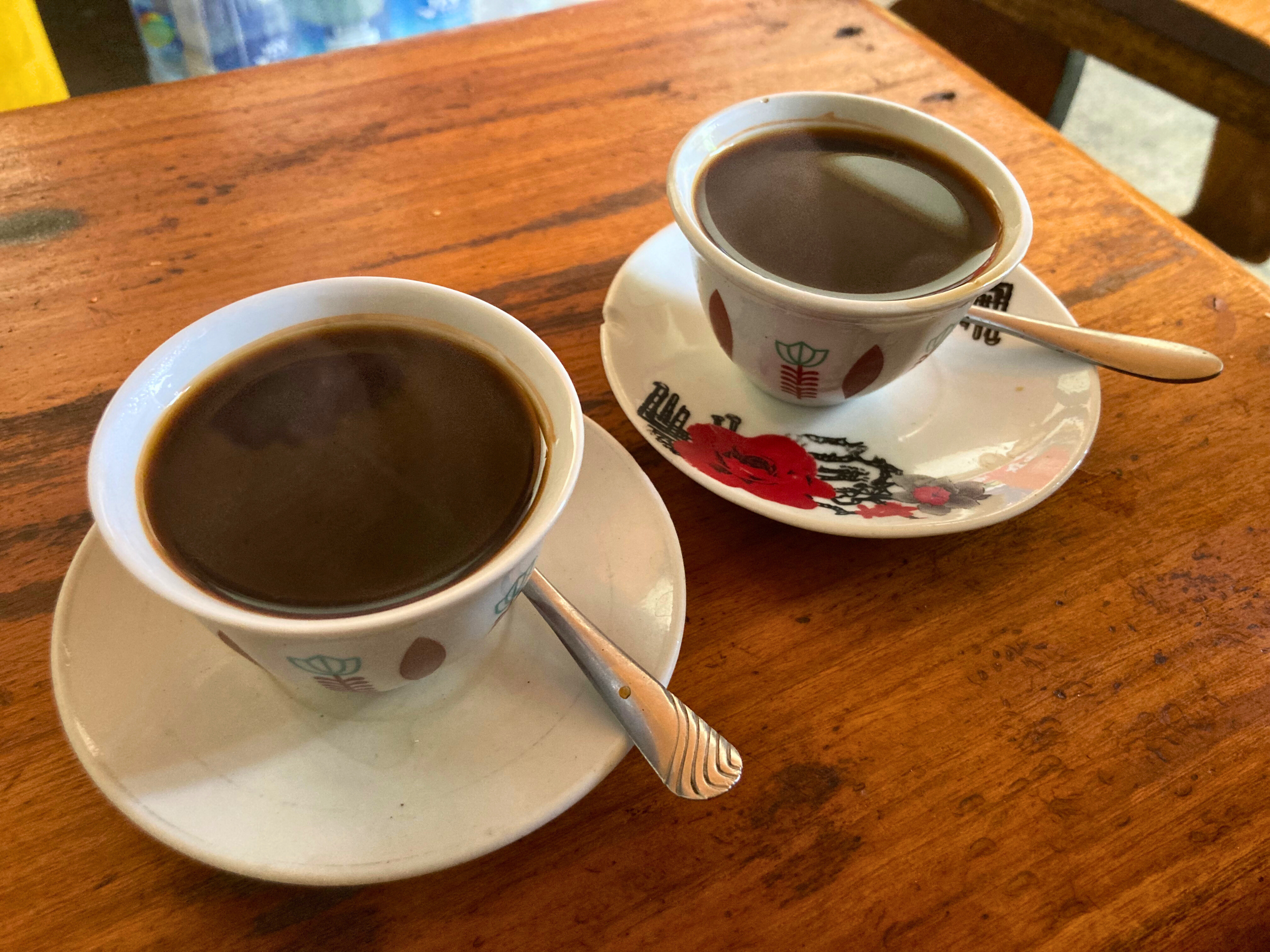
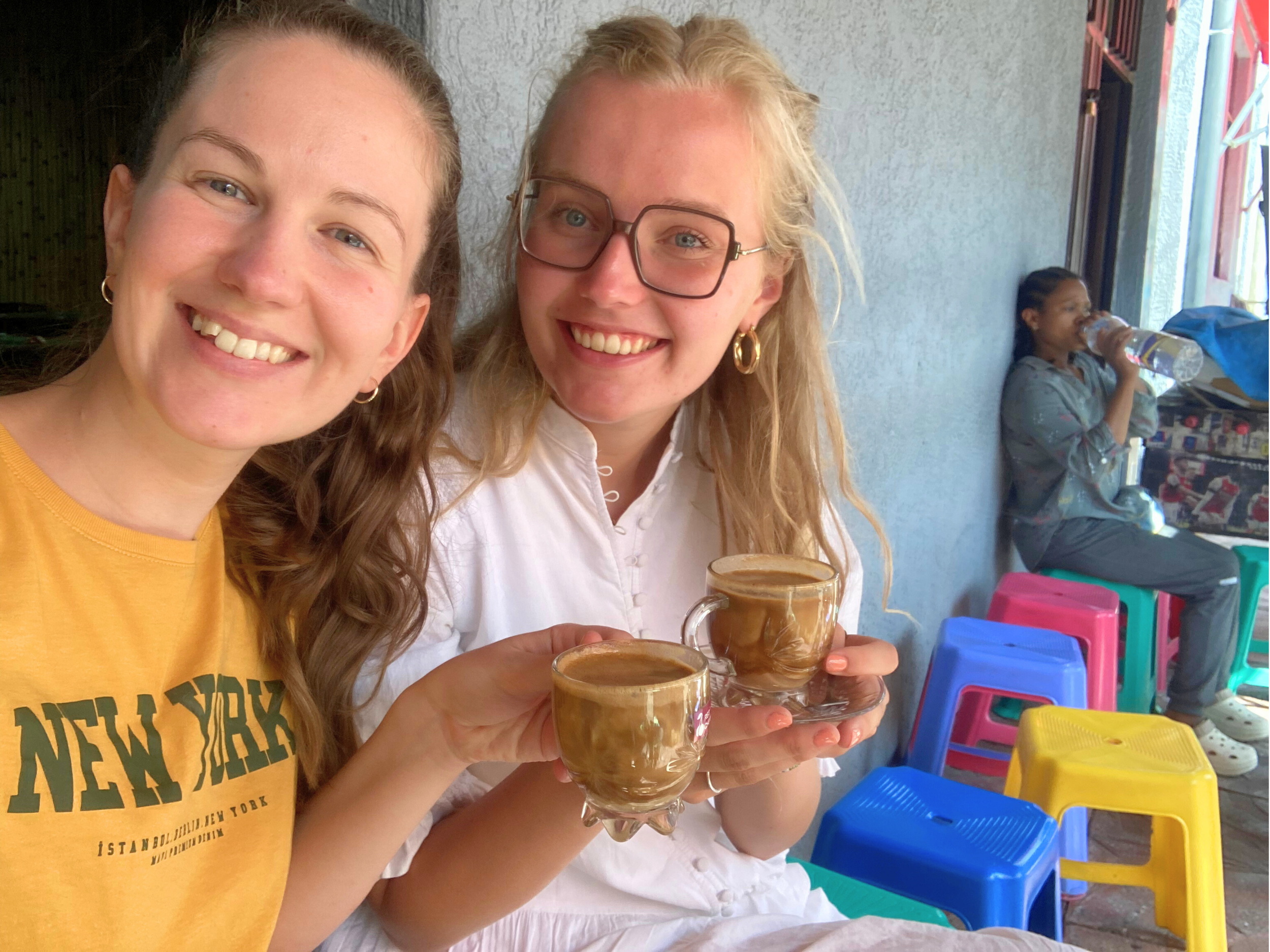
Ethiopia is also said to be the “birthplace” of coffee. Legend has it that a goat herder discovered coffee after noticing his goats became energetic after eating coffee berries. You can find coffee everywhere, and it’s very strong.
⏰
Ethiopia has its own calendar, which is about 8 years behind the Gregorian calendar. So, right now, it's 2017 in Ethiopia! They also use a 12-hour clock that starts at sunrise. So, for them, our 7 a.m. is 1 a.m. (the first hour)!
Prayer Points
Thanksgiving: Thank God for
Good health and safety.
Bible Translation has been happening in Ethiopia for over 50 years, and many projects are still ongoing. Thank God for the wonderful work that is being done.
Valuable experience and insights I've gained in Bible translation.
Requests:
Pray that my last days in Ethiopia would be encouraging and that God would challenge me to continue trusting him.
Pray for the Zargulla people in southern Ethiopia. They don't have any part of the Bible in their language yet. Pray that a translation project for them can start soon!
Please also pray for peace in Ethiopia. Parts of the country are affected by political unrest.
Some more impressions
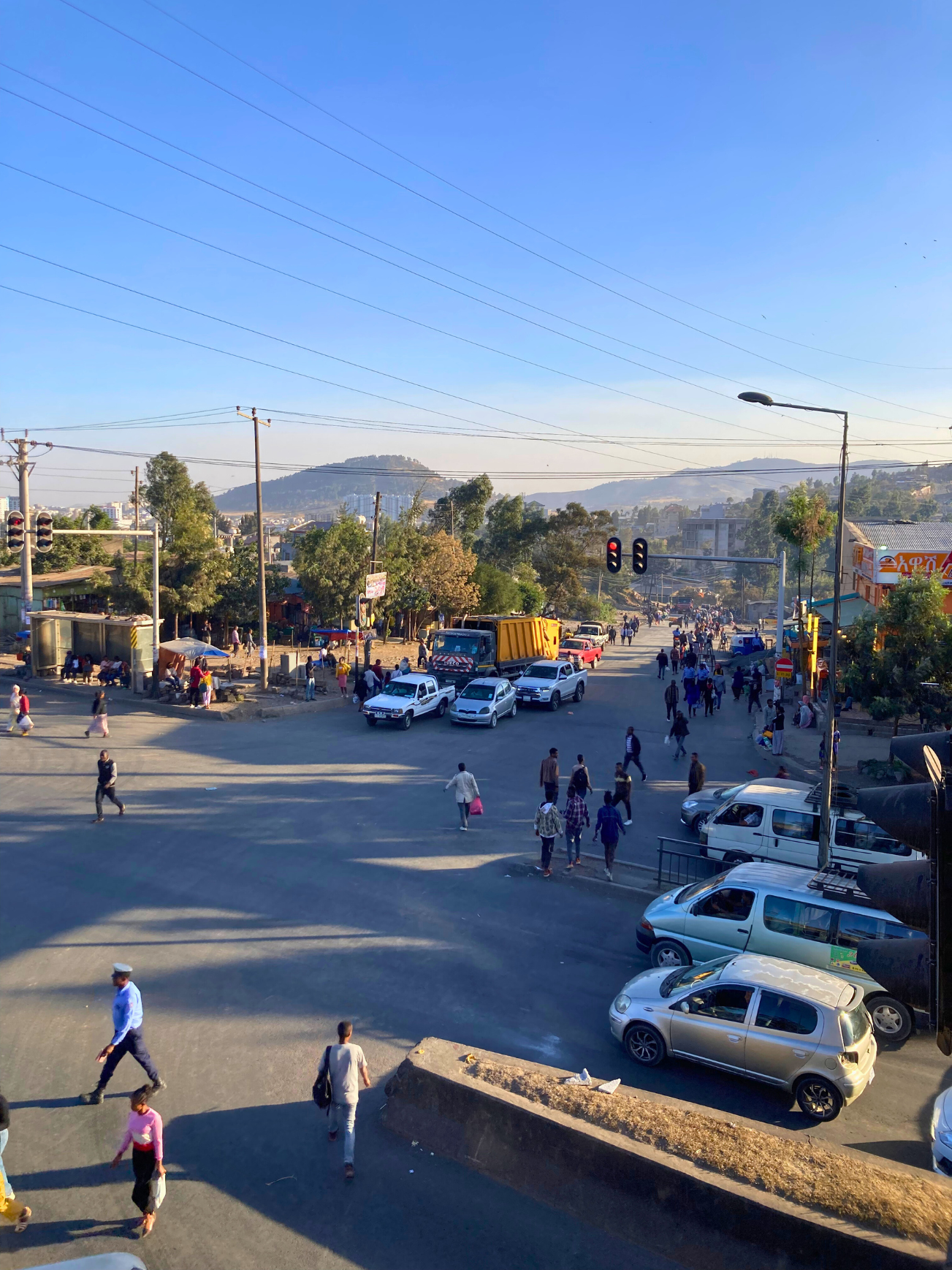
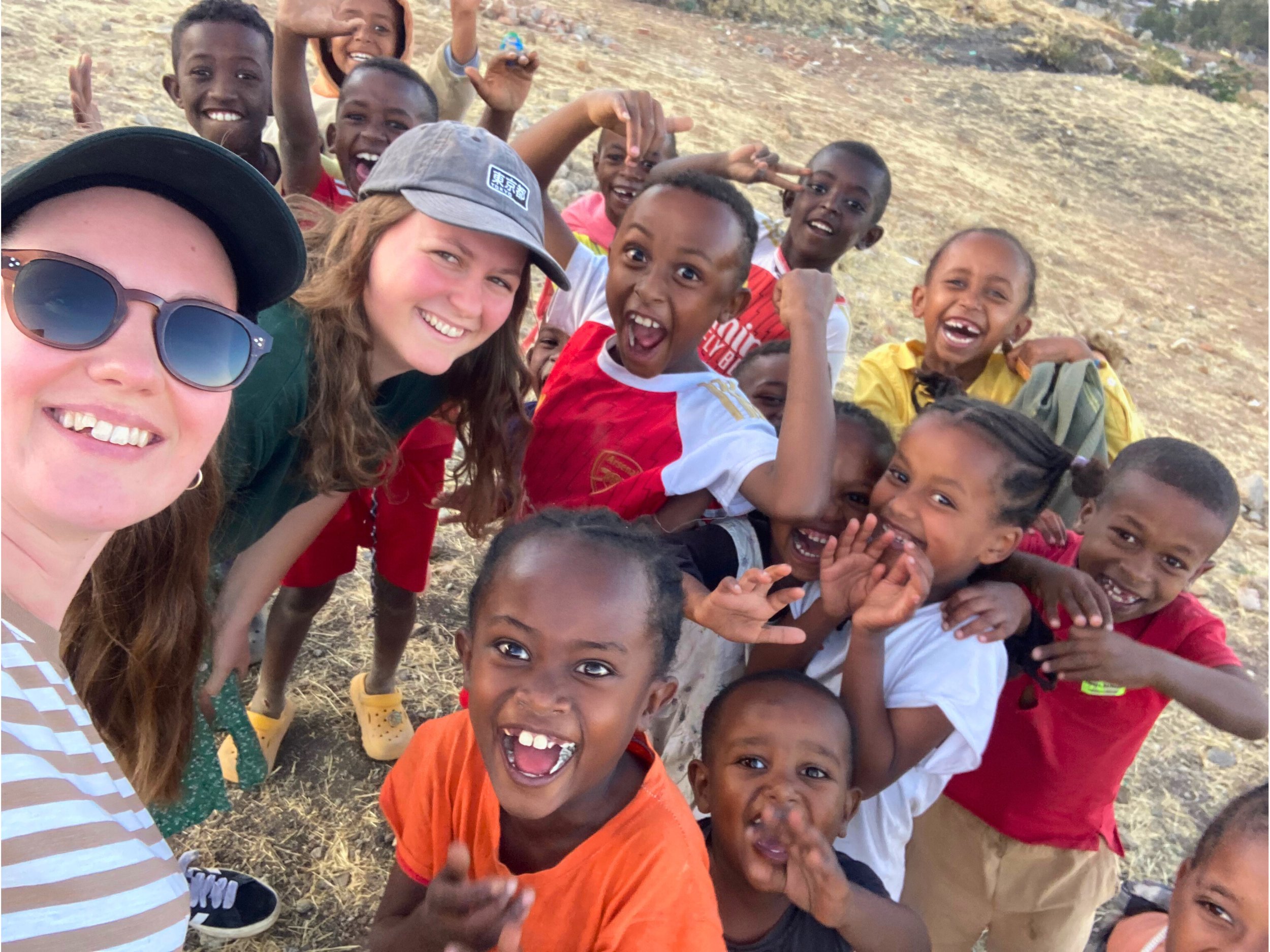
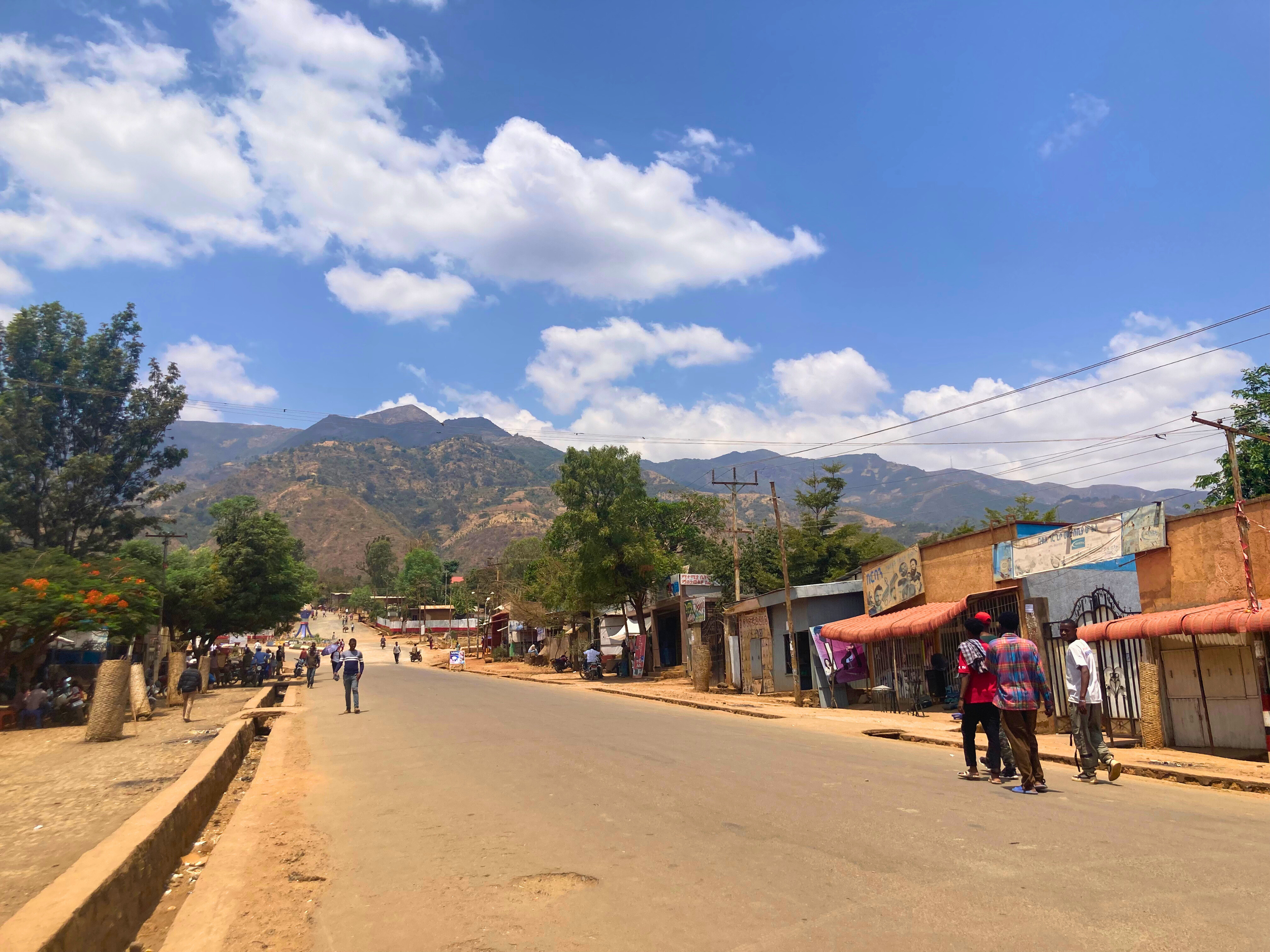
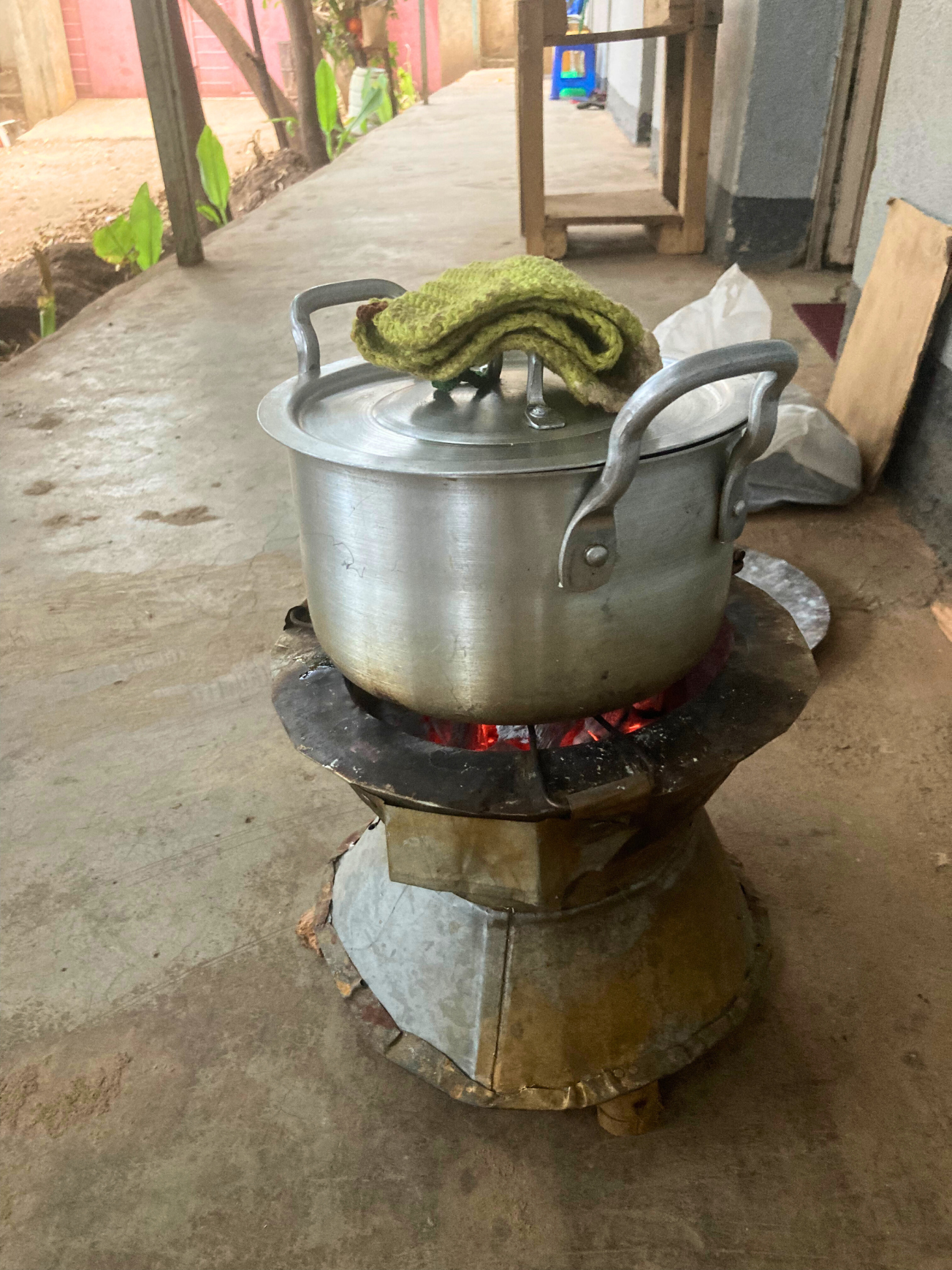
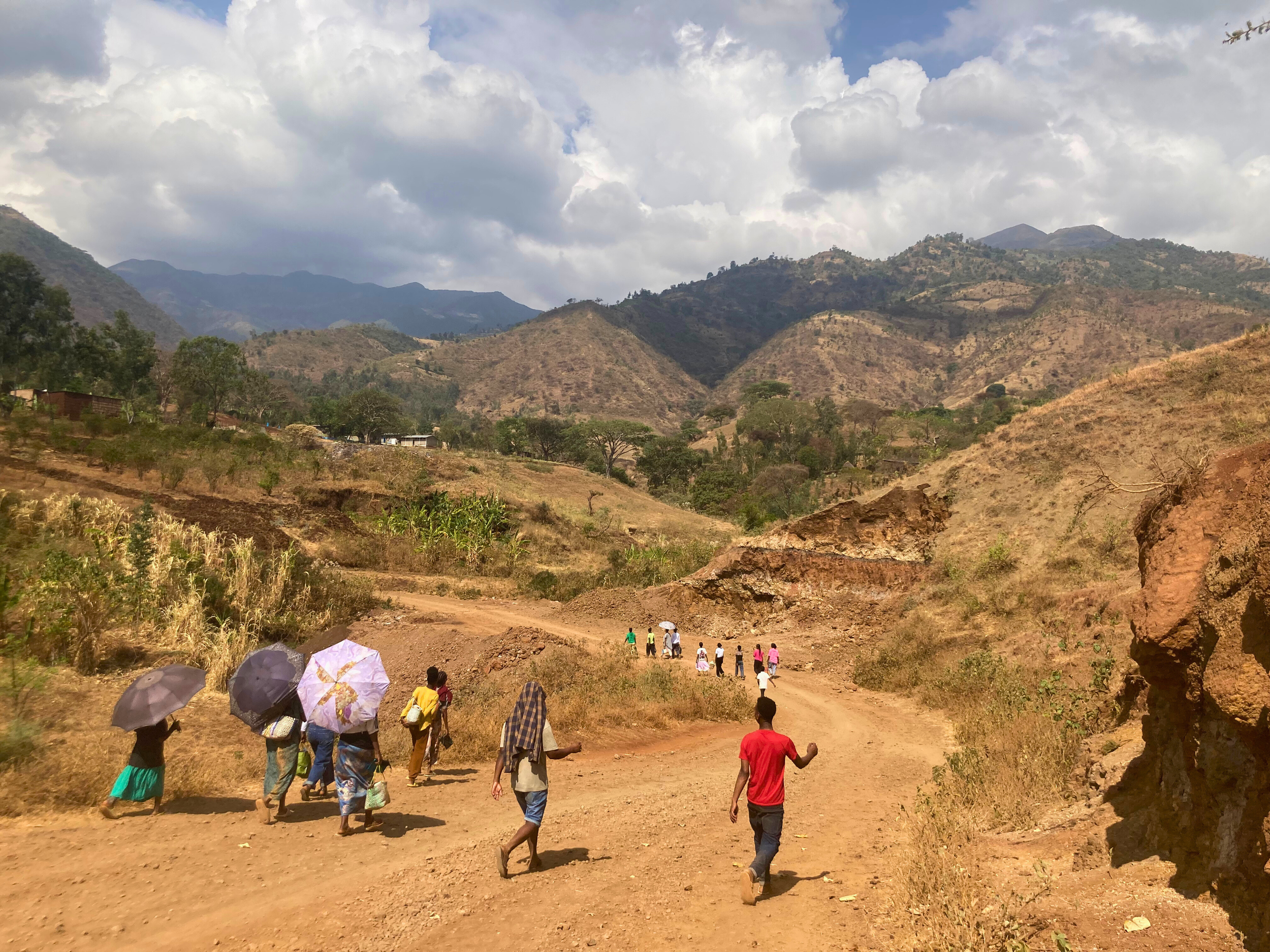
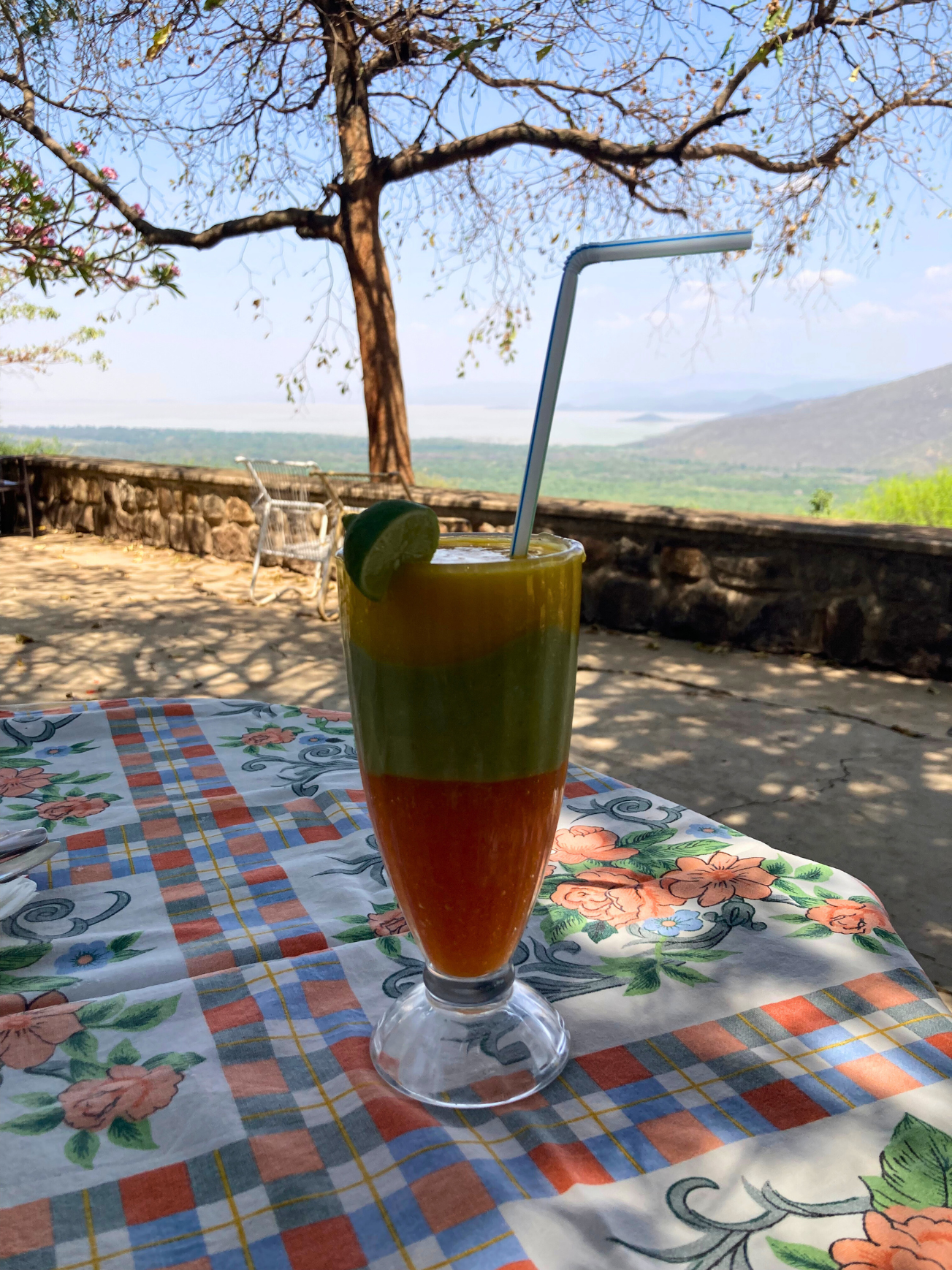
In the bus on the way to Amaaro
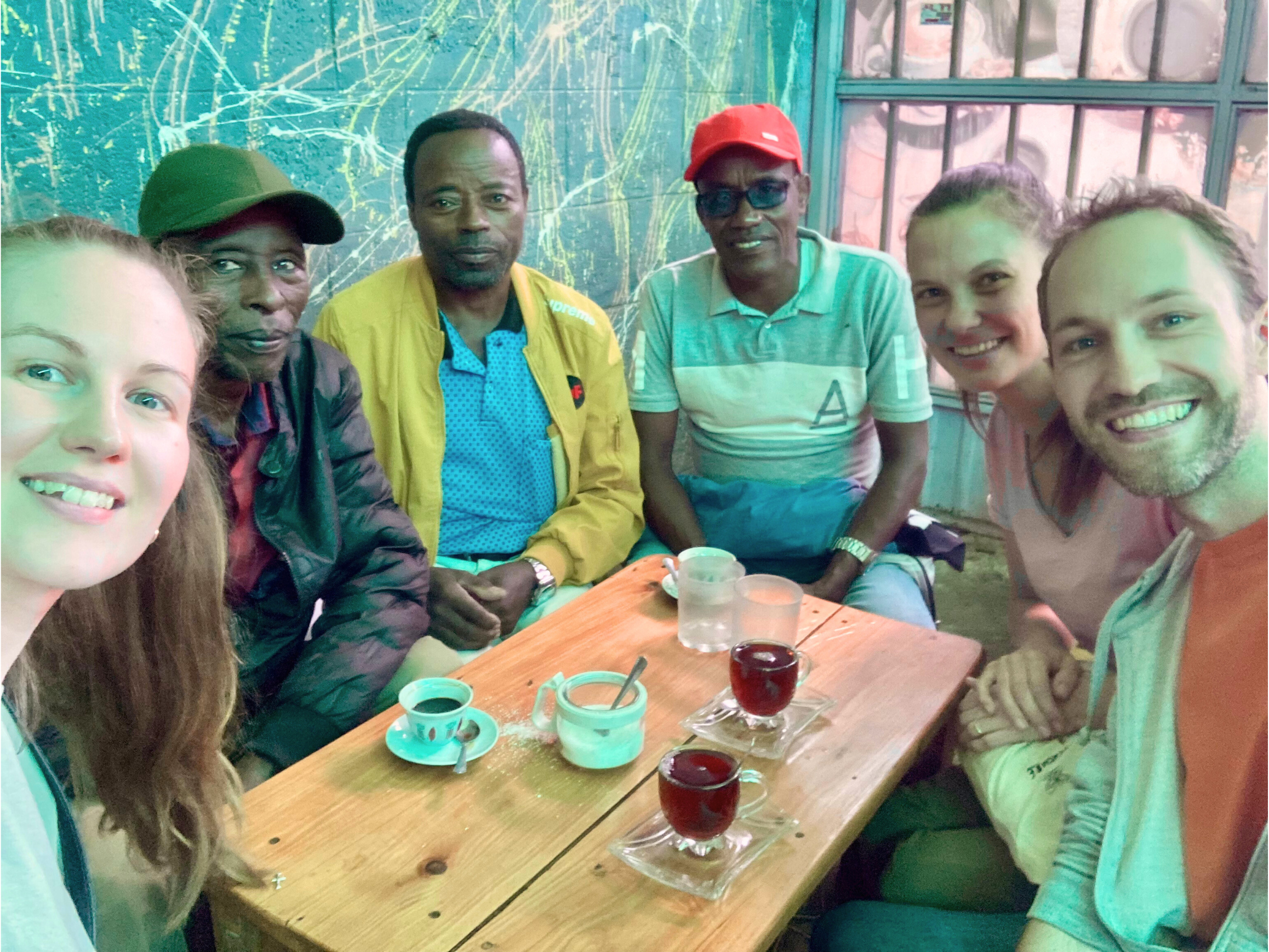
Freshly roasted coffee - Ethiopian hospitality
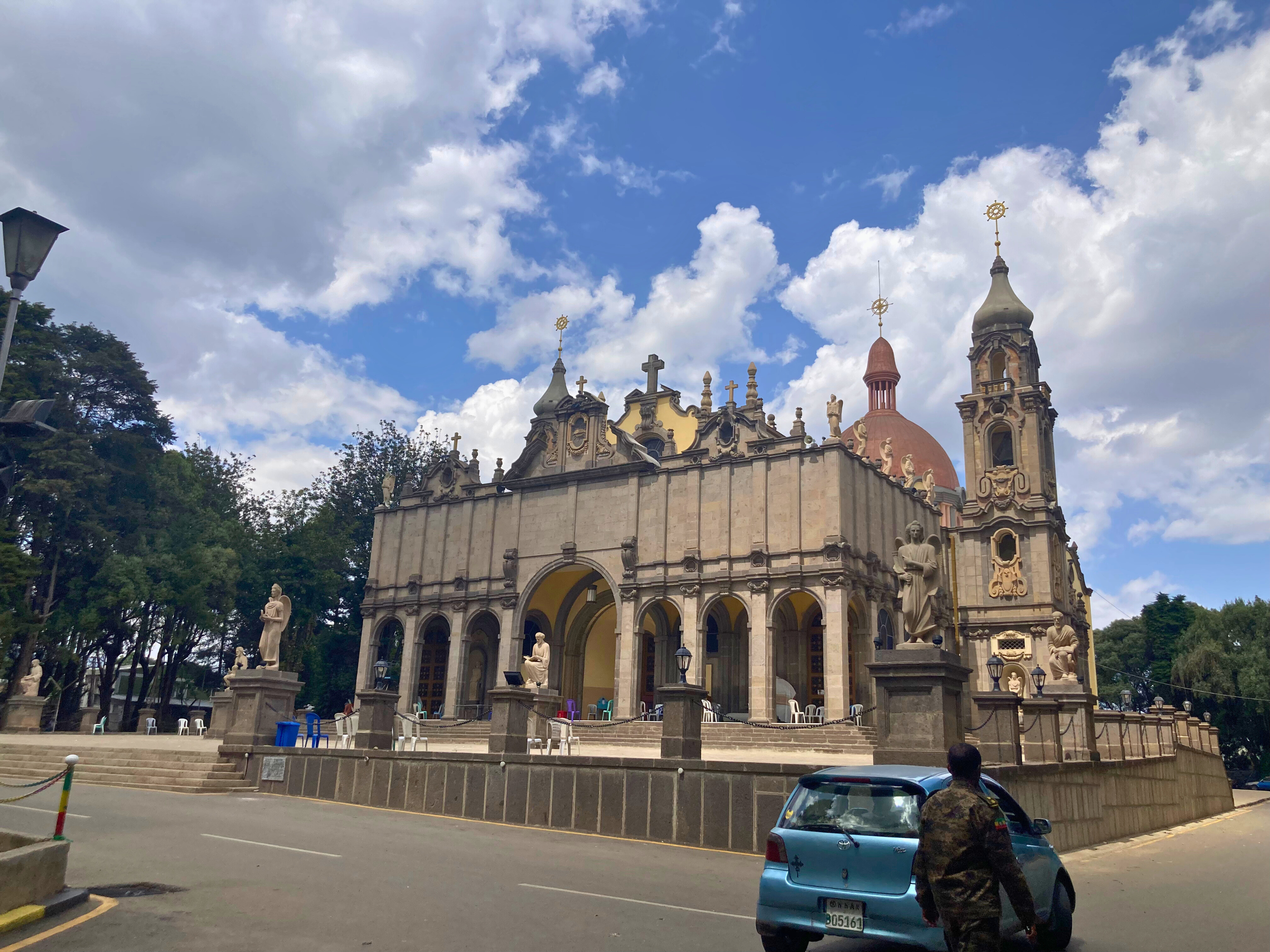
Worship at an Ethiopian church
Sign up to receive my newsletters right to your inbox
Important:
To ensure my emails don’t end up in your spam folder, please add my address (sophia@vom-amt-nach-afrika.de) to your contacts. Thank you!